

AspireYouth: Personalised pathways from trauma to enterprise

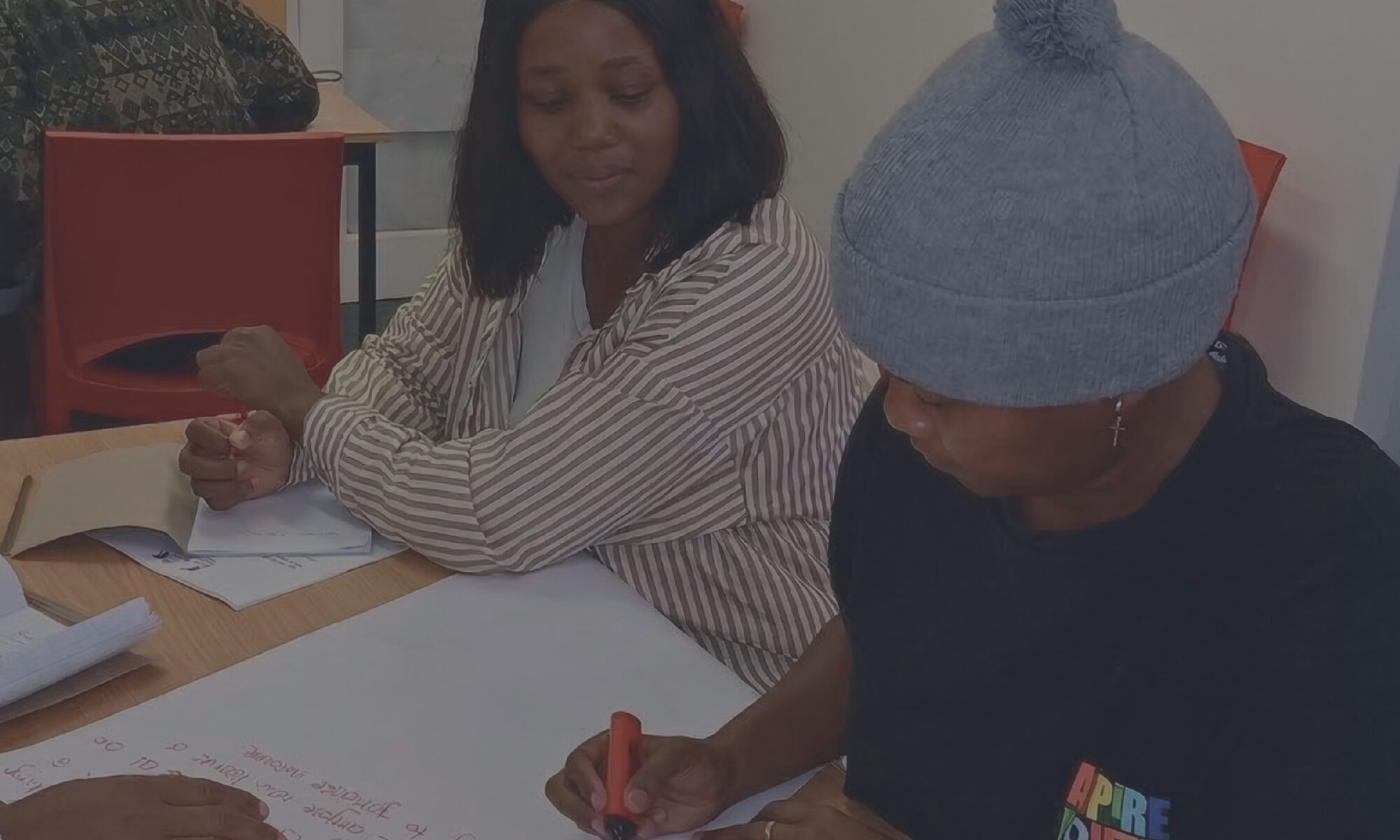
Aspire Youth in Cape Town offers one of the clearest examples I’ve seen of genuinely personalised economic empowerment. Their work is rooted in a simple but powerful insight:

“Economic opportunity only lasts if a young person is emotionally and psychologically ready to sustain it.”

Unlike many programmes that focus on short skills courses or entrepreneurship workshops, Aspire insists on holding mental health, trauma, safety, skills and income together in one integrated journey.
Unlike many programmes that focus on short skills courses or entrepreneurship workshops, Aspire insists on holding mental health, trauma, safety, skills and income together in one integrated journey. What struck me most during my visit was something Roslin (Ros) Falatsa, Aspire Programme Lead said:

“From Fit for Life, to incubation, to launch, you are adapting to the individual’s situation, their needs, their passion, their skills. And you’re not abandoning them.”

That refusal to “abandon” young people is what makes Aspire distinctive in my view.

READ THE FULL ARTICLE HERE


Fuel the Future: How Sozo is breaking down walls in Vrygrond

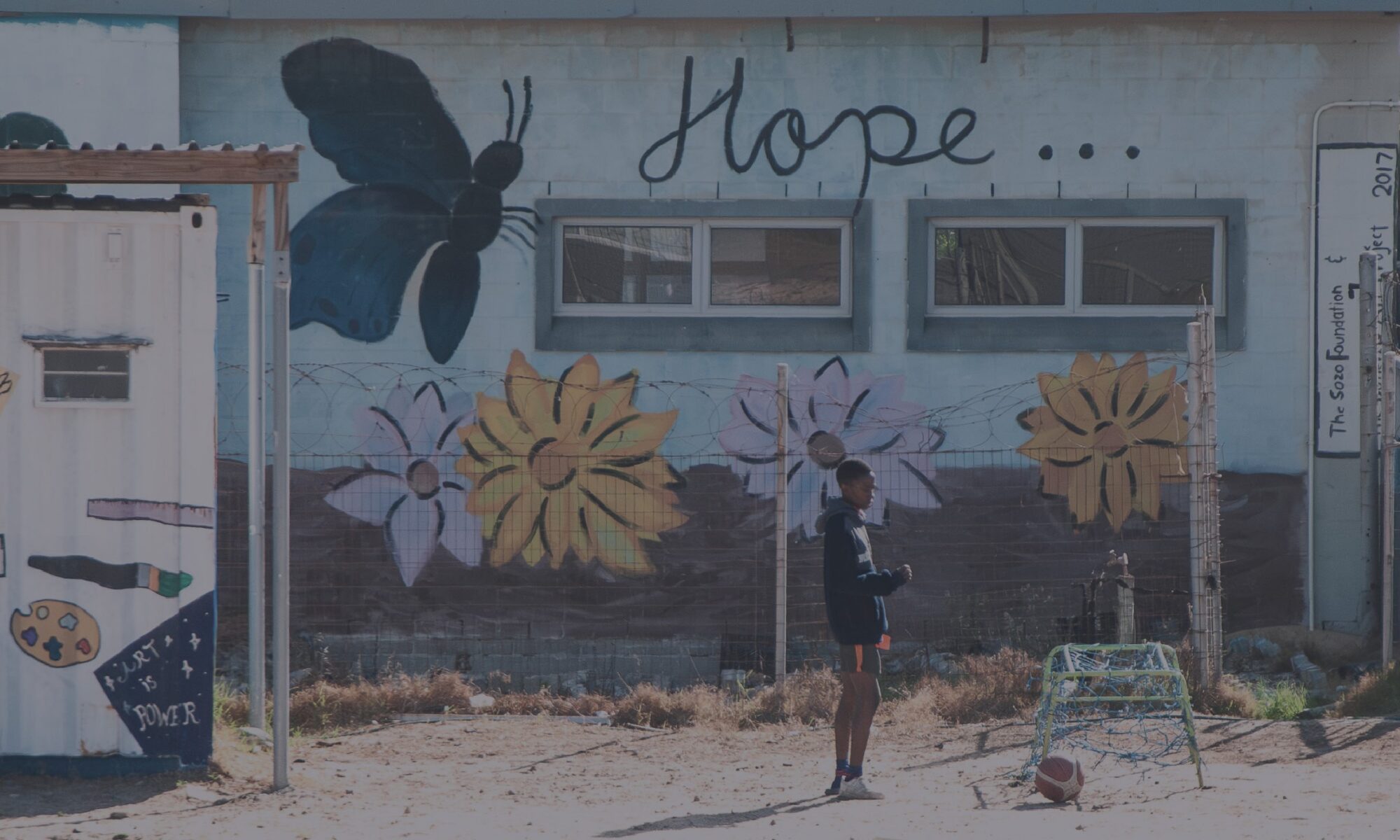
In Vrygrond, Cape Town, a single wall separates two very different worlds.
On one side is Vrygrond, a community of over 55,000 people with no high school, no clinic, no police station and very few formal services. It is heavily affected by gangsterism, extortion and high youth unemployment.
On the other side is a thriving business park – one of the most sought after commercial and light industrial hubs in the south of Cape Town.
My recent visit to the Sozo Foundation, an Alquity Foundation partner, showed how a focused, community led organisation is literally and figuratively crossing that wall – and why that matters for our investors.

READ THE FULL ARTICLE HERE


Alquity – UN PRI Assessment & Rating 2025

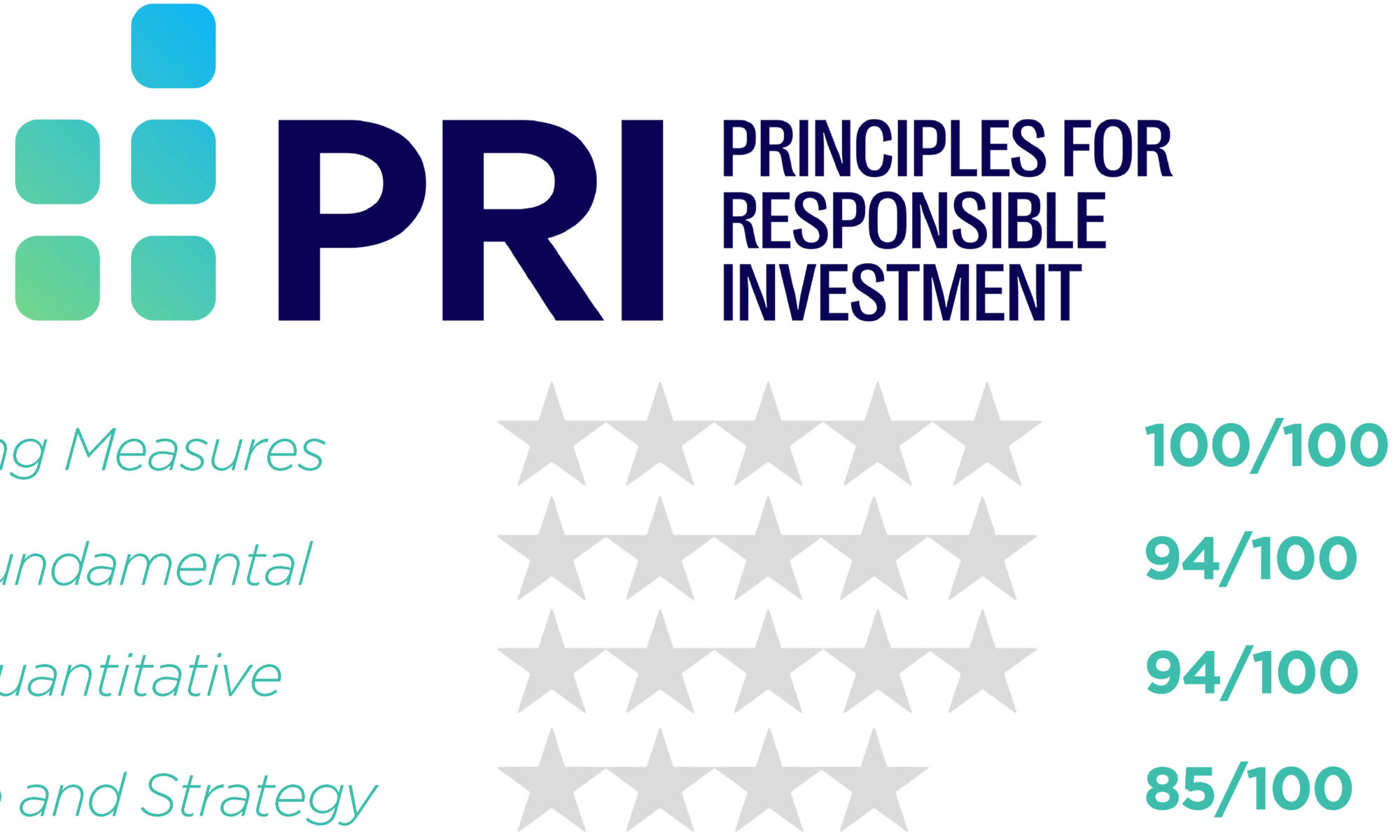
We have received again strong scores across all sections of the UN Principles for Responsible Investment (PRI) 2025 Assessment, being ranked well above our peer median for the four modules.

We have improved in two of the modules, with Confidence Building Measures now achieving five stars.

You can see the assessment report here


Rational Sustainability: Moving beyond ESG theatre to targeting returns and evidence-based outcomes

By Suresh Mistry, Head of Sustainability

Introduction


The world of sustainable investing has reached a critical juncture. After years of explosive growth and increasingly complex frameworks, we’re witnessing a necessary maturation that’s forcing the industry to confront an uncomfortable truth: much of what we’ve been doing simply isn’t working.

As someone who has built my career on responsible investing principles and founded Alquity with sustainability at its core, I’m not abandoning these values. Instead, I’m advocating for what I call “rational sustainability” – an evidence-based approach that prioritizes measurable outcomes over compliance theatre and ideological rigidity.

Traditional ESG approaches have become victims of their own success. What began as a genuine attempt to integrate environmental, social, and governance factors into investment decisions has morphed into a box-ticking exercise dominated by buzzwords and greenwashing. While ESG frameworks have played a foundational role in mainstreaming sustainability and improving corporate transparency, too many firms are conducting ESG analysis that adds no real value, implementing voting strategies that drive no meaningful change, and tracking metrics that have little real-world impact.

The result? A disconnect between the resources we’re deploying and the outcomes we’re seeking. Worse still, this approach has contributed to the recent backlash against sustainable investing, as investors question whether these strategies actually deliver on their promises – be that returns or impact.

Values-driven, evidence-led


Rational sustainability starts with a simple premise: every element of our sustainability process must be justified by evidence of its effectiveness. This does not discount the importance of values-driven investing or the long-term nature of some sustainability outcomes, but it does require us to be honest about what is working and what is not.

This doesn’t mean abandoning our values or aspirations. Our commitment to responsible capitalism and creating positive social and environmental impact remains unchanged. What changes is our willingness to be ruthless about how we pursue these goals.

At its heart, rational sustainability is about looking at sustainability through an evidence lens. It means asking hard questions: Does our engagement strategy actually influence corporate behaviour? Are our exclusions creating meaningful change or simply shifting problems elsewhere? Do our impact metrics reflect genuine outcomes or just good intentions?

Our experience shows rational sustainability offers advantages over traditional approaches. First, it eliminates waste – both of resources and credibility. By focusing only on activities that demonstrably work, we can deploy our sustainability efforts more effectively.

By grounding our approach in evidence rather than rhetoric, and by respecting the diverse motivations that have shaped sustainable investing to date, we can restore confidence in sustainable investing’s ability to deliver both returns and impact.

In addition, it drives innovation. When we’re not constrained by conventional ESG wisdom, we’re free to explore new approaches that might be more effective at creating the change we want to see. For instance, our adoption of portfolio-level KPIs in Emerging Markets is a direct result of challenging conventional engagement models and reporting. In our Emerging Market strategies, we’ve enhanced our subjective engagement outcomes by implementing KPIs that provide clear, portfolio-level data. These indicators track annual changes in important ESG disclosures for every company in our funds, offering clients greater transparency on progress at a portfolio level.

  • Does our engagement strategy actually influence corporate behaviour?
  • Are our exclusions creating meaningful change or simply shifting problems elsewhere?
  • Do our impact metrics reflect genuine outcomes or just good intentions?

Implementation: the importance of being honest


At Alquity, rational sustainability has been at the heart of our investment process for over a decade. However, we frequently review our investment approach, from stock selection criteria to engagement strategies to ask ourselves if what we are doing continues to have value and what more we could do to incorporate learning and developments in sustainability research.

One such refinement was to incorporate a lower risk premium into our valuations for companies where our material ESG analysis had highlighted peer-leading standards. Our rationale being that these actions should lead to increased future profitability and business resilience and as long term investors we should quantify that within the valuation process.

We are also now placing a greater emphasis on collaborative initiatives, especially in highly technical sectors such as food production. While direct engagement remains a valuable tool where we have access and influence on management teams, we believe that in our context, collaborative efforts can leverage our resources more effectively and drive broader systemic change.

When applied rationally, ESG is a powerful tool for identifying and mitigating risks at the company level. By focusing on material sustainability factors, we can reduce exposure to long-term risks and enhance the resilience of individual holdings. Within this framework, governance remains foundational – not just a pillar of ESG, but the structure that underpins credible environmental and social commitments. However, ESG analysis alone does not replace the need for comprehensive portfolio-level risk management. Broader considerations such as diversification, macroeconomic exposure, and systemic risks remain essential.

Whatever you do, make it count


Rational sustainability isn’t about doing less – it’s about doing better. It’s about having the courage to abandon practices that don’t work, even if they’re industry standard, and the creativity to develop new approaches that do.
At Alquity, our mission is to deliver investment performance with purpose – with the aim of contributing to positive social and environmental outcomes. In a world of shifting narratives, our approach remains clear and consistent and has been applied for over a decade.

The sustainable investing industry stands at a crossroads: it can either continue down the path of increasing complexity and hopeful assumptions, or embrace a more rational approach that prioritises evidence over dogma and focuses on outcomes rather than compliance.

I believe the choice is clear. The question is whether the industry has the courage to make it.


Alquity – Impact Report 2025

We are proud to share our 2025 Impact Report as we reflect on a journey that continues to demonstrate the alignment between financial returns and positive social impact.

At Alquity, our founding belief, that investing in the world’s most dynamic markets can deliver both strong financial performance and meaningful social change, remains as true as ever. The past year has only strengthened our conviction that responsible investing is not just an alternative, but a superior investment strategy.


Alquity – Carbon Offset

At Alquity, we firmly believe that actions speak louder than words. Although the nature and size of our business mean that our direct emissions are relatively low, we remain committed to sustainability and environmental responsibility. That is why we have offset all our greenhouse gas (GHG) emissions from essential business travel for 2024 — a total of 72 tonnes.

Why Tradewater Carbon Credits?

For our carbon offset initiative, we have chosen Tradewater carbon credits. Tradewater operates impactful projects across Latin America, Ghana, the United States, and Thailand. Their credits are certified by the American Carbon Registry and Verra.

The Impact of Tradewater’s Work

Tradewater focuses on collecting ozone-depleting substances (ODS) from refrigerant stockpiles. These substances, if released to the atmosphere, would contribute to climate change and ozone layer depletion. You can read more about this on this article from National Geographic.

Tradewater ensures that these gases are safely transported to incineration facilities that meet the standards of the Montreal Protocol, permanently eliminating them.

In addition, Tradewater is also addressing another critical issue – methane leaks from abandoned and orphaned oil and gas wells in the United States. Methane is a potent greenhouse gas with a significantly higher warming potential than CO2. By preventing these leaks, Tradewater is tackling a major challenge in the oil and gas industry and delivering a high-impact solution for climate mitigation.

Our Commitment to a Sustainable Future

Choosing to offset our emissions through Tradewater is just one of the ways we integrate sustainability into our business practices. We recognize that environmental responsibility goes beyond mitigating our own footprint.

We encourage other businesses, regardless of their size, to take similar steps. Collective action is crucial in the fight against climate change, and together, we can drive real change toward a more sustainable future.


Shivia: Developing Sustainable Livelihoods for Rural Families (March 2025)

In January 2025, Suresh Mistry, Head of Sustainability at Alquity Investment Management, visited the operations of Shivia in India. Shivia is a charity partner of the Alquity Transforming Lives Foundation, whom we have supported for several years, most recently through donations to help them commence new projects. This visit gave Suresh the opportunity to see the impact of the work Shivia and their local partners undertake, as well as speak to the beneficiaries about their experiences and conduct consumer panels with both employees and of Shivia.

SHIVIA: SOME BACKGROUND

Shivia was founded in 2008, initially starting its operations in West Bengal. Shivia’s first major initiative was the Poultry Development Service (PDS), which aimed to support women farmers by providing them with 10-day-old chickens, feed, medicine, and vaccinations. The program also trained the farmers on how to care for the chickens and sell the eggs/meat. To select eligible farmers for the poultry program, Shivia developed a scoring system based on factors like housing type and cooking fuel used, which enabled them to target aid to farmers with the lowest scores and the greatest need. The goal of the poultry program was to make the farmers financially independent within 3–4 years. By the end of the program, many farmers were able to grow their flock from 10 chickens to 150–200 chickens.

In 2014, Shivia expanded its operations to the Agriculture Development Program, which aimed to address the financial challenges faced by crop farmers in West Bengal. This program included soil testing, group formation, training on bio farming practices, and connecting farmers to government schemes. This program has supported around 14,000 farmers in West Bengal and 2,000 in other states. In 2023, Shivia launched its Fish Farming Program, which focused on utilizing the abundant ponds in West Bengal for commercial fish production. The program provided fingerlings and training to farmers on pond management and fish farming. It initially started with 50 farmers and have since expanded it to 250 farmers, with plans to expand based on learnings from the initial trials.

SELENA’S CHICKEN FARMING SUCCESS STORY

Selena, a resident of a rural village, has been running a successful chicken farming project for the past one and a half years. Through this initiative, she has not only generated a steady income but also expanded her entrepreneurial ventures. Selena started her chicken farming project with an initial investment of 800 rupees ($10) for 10 chickens. This covered the registration fee as well as the cost of building the chicken coops and providing electricity. With the guidance and training provided by the project organisers, Selena was able to effectively manage the chickens’ feed, health, and sales. The chickens Selena raises fetch a price of around 170 rupees per kilogram, with each chicken weighing approximately 2 kilograms. This allows Selena to earn a profit of 2,000 to 2,500 rupees every four months from her initial investment of 800 rupees. The high profitability of the chicken farming project has enabled Selena to reinvest her earnings. She has used the profits to start a small shop in her village, selling various food and jewellery items. Selena’s chicken farming project serves as an inspiring example of how the Shivia PDS can help transform the lives of the rural poor in India. The project’s success can be attributed to the comprehensive training and support provided, as well as Selena’s dedication and hard work.

“With the help of the Shivia Livelihood Service Providers, I have been able to build my chicken flock and use the money I make to fulfil my dream of running a shop in the village.” (Selena)

ALQUITY-FUNDED PROJECT NEAR RAIPUR IN CHHATTISGARH

Since 2024, Alquity has helped Shivia fund a new PDS project for tribal women in Chhattisgarh, one of the poorest states in India. Suresh visited the project to see how it was progressing and to learn more about a trial Shivia was undertaking with our support. The project was within the Barnawapara Forest area, around a 1.5-hour drive from Kasdol, a small town approximately a 2-hour drive from Raipur, the state capital. In this area, Shivia works closely with a local partner called KALP, which was founded 25 years ago and has strong local connections. This history has enabled the KALP team to build long-term, supportive relationships with the tribal communities, who are typically very wary of support from “outsiders.” Unlike West Bengal, where villages are close together, here the villages are more remote and consist of small hamlets of 15–20 houses clustered together. Due to this unique geography, Shivia is able to support multiple farmers in the same village, as the farmers can sell their chickens over a wide range and therefore do not compete. In addition, commercial buyers are able to visit the villages and buy in bulk, providing an additional route to market. I met with a group of farmers in the village and learned from them about their experience with the support that KALP provided. The farmers expressed deep gratitude for the support and training provided by the Livelihood Service Providers (LSPs). They highlighted how the LSPs have taught them crucial skills, such as how to properly vaccinate the chickens. Before the project, the farmers only had sporadic work as agricultural labourers during the farming season. The chicken farming programme has provided them with a steady source of income that they can rely on year-round. They are now able to use the money earned from selling the chickens to prepare for festivals, buy clothes and other necessities for their children, and support their children’s education. Overall, the support provided through training, resources, and market linkages has been transformative for these farmers. It has enabled them to transition to sustainable poultry farming, significantly improving their household incomes and quality of life for them and their families.

TESTING A NEW APPROACH

The team is experimenting with two different chicken farming models: a hybrid bird model that grows faster (three months) and an indigenous bird model that grows more slowly (five to six months) but is more expensive and flavorful. A major challenge with the hybrid bird model is predators like snakes and pythons, which have caused significant losses. The indigenous birds are stronger and better able to defend themselves. The team is taking a data-driven approach and considering A/B testing to compare the outcomes of the two models. They are also carefully timing chicken distribution to avoid extreme weather conditions. Overall, the team is focused on iterating and improving the chicken farming models to best serve the remote, underserved
communities they work with.

CONCLUSION

As investors, it is crucial to understand that Alquity’s impact goes beyond financial returns. By supporting organizations like Shivia, we contribute to a virtuous cycle of economic empowerment, improved livelihoods, and sustainable development. This holistic approach to investment sets Alquity apart and drives our mission to transform lives through the power of investment.

An update on Phool (February 2025)

Phool (named after Hindi for ‘flower’) was selected as one of the Transforming Lives Awards winners back in 2019. Phool was selected for its groundbreaking
business model, recycling temple flowers into environmentally friendly incense products. Phool employs mainly women from disadvantaged backgrounds, providing them with stable employment and opportunities for training and development.

In January 2025, Suresh Mistry, Head of Sustainability, visited Phool to catch up with the team on developments in the business over the past year, as well as to conduct another consumer panel with the flowercycling team. Please find the report following his visit.


Transforming Lives in India: Shivia

Alquity’s business model is built on a core commitment: dedicating 10% of our fund fees to the Transforming Lives Foundation. Our Foundation aims to address social and economic challenges in the regions where we invest by providing grants to social enterprises.

We are happy to announce that, in addition to the $25,400 donated in January, we are contributing another $12,700 to Shivia.

These grants have empowered over 200 women to earn a sustainable income for the very first time. Among them is Anjali, who became deaf-mute following an accident as a teenager and faced immense difficulties in providing two daily meals and covering her son’s education and clothing expenses. With the support of Shivia’s toolkit and her very hard work, Anjali is now planning to expand her chicken farming enterprise.

Thank you to our clients and investors – your continuous support makes stories like Anjali’s transformation possible!