2015
Founded
$2.9m
Donated to date
66,750
Lives transformed

Donations and lives transformed shown as at December 2025.

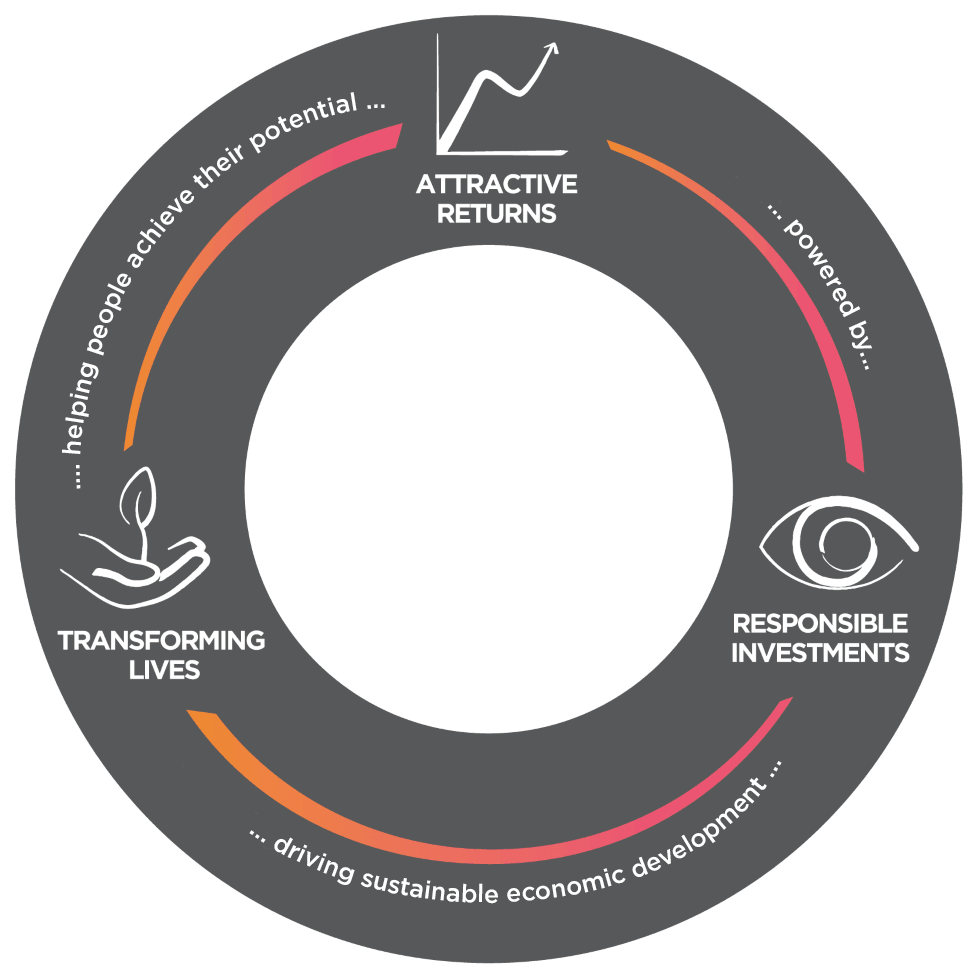
The Virtuous Circle

Every year, Alquity commits 10% of the revenue from its internally managed funds to the Alquity Transforming Lives Foundation (externally managed partner funds are not included). These funds are distributed as grants and other finance to non-profits and social enterprises in the same regions the Alquity funds invest in.

Alquity aims to unlock the potential of outstanding non-profits, enterprises, and entrepreneurs working in disadvantaged communities, giving them access to capital, visibility, and expert support to scale their work and transform more lives. Whether focused on skills development, social enterprise, or job creation, our awardees share one goal: helping marginalised groups share in the economic growth generated by the businesses Alquity and others invest in across their communities.

The belief is simple: by aligning the interests of investors, employees, the companies held and the communities around them, we build fairer and more sustainable economies, and the businesses you invest in prosper alongside them.

The Virtuous Circle

Where we focus

01

Entrepreneurs & SMEs

Backing local entrepreneurs and small businesses working with marginalised communities to grow.

02

Education & training

Supporting locally-led non-profits delivering education, training and economic empowerment.

03

Inclusion

Advancing social and economic inclusion, particularly of women and girls.

Spotlight · Supported since 2019

Phool: turning temple flowers into growth, and transforming lives

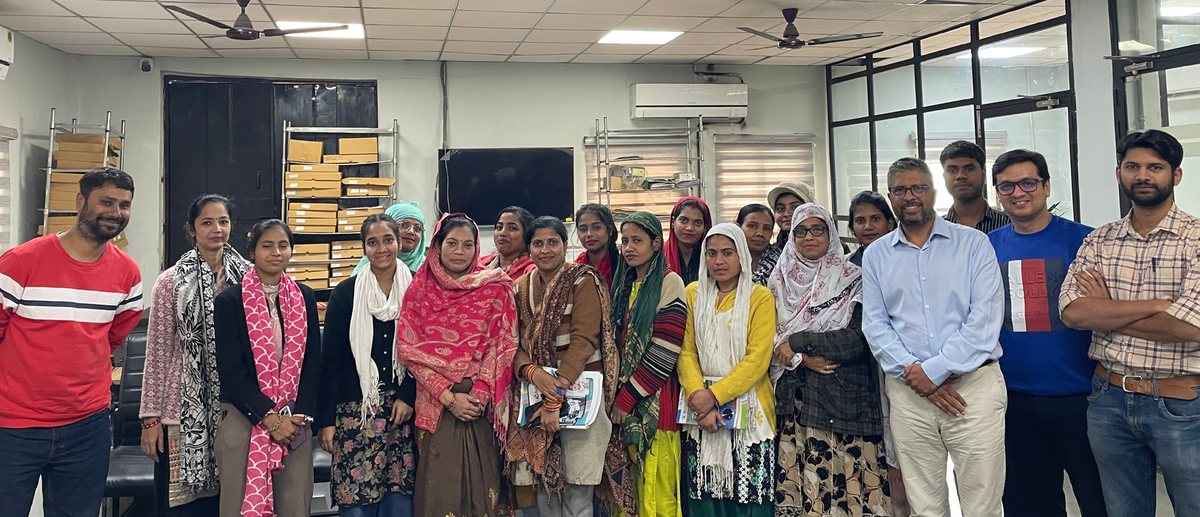
The Phool team in Kanpur during an Alquity visit.

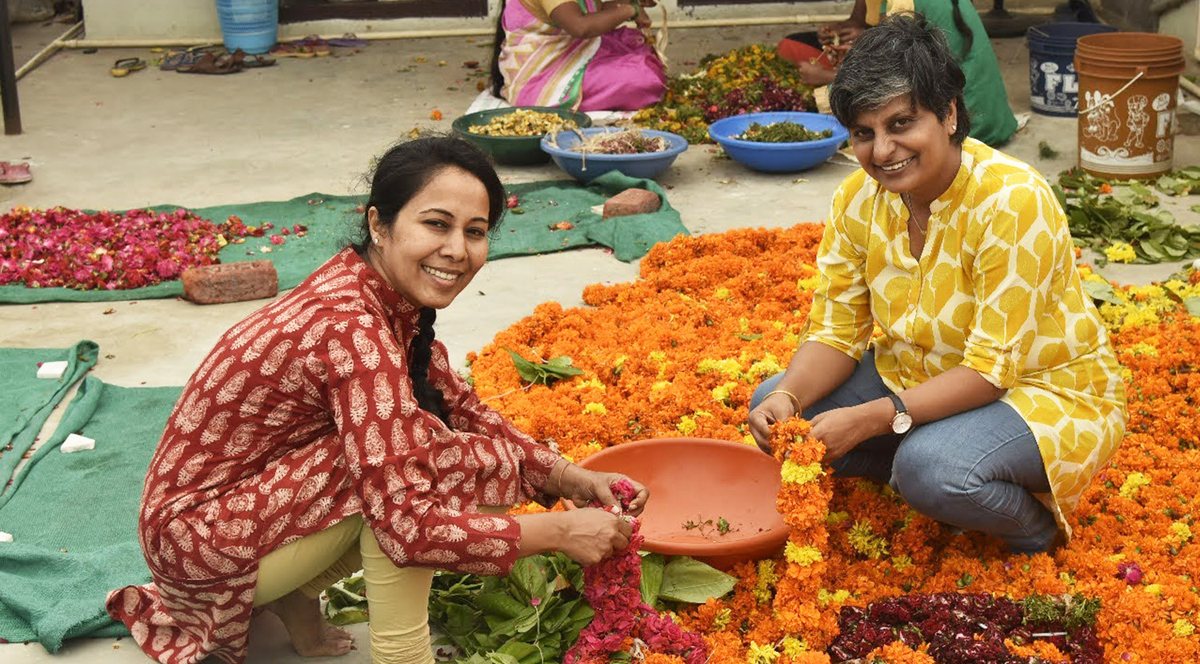
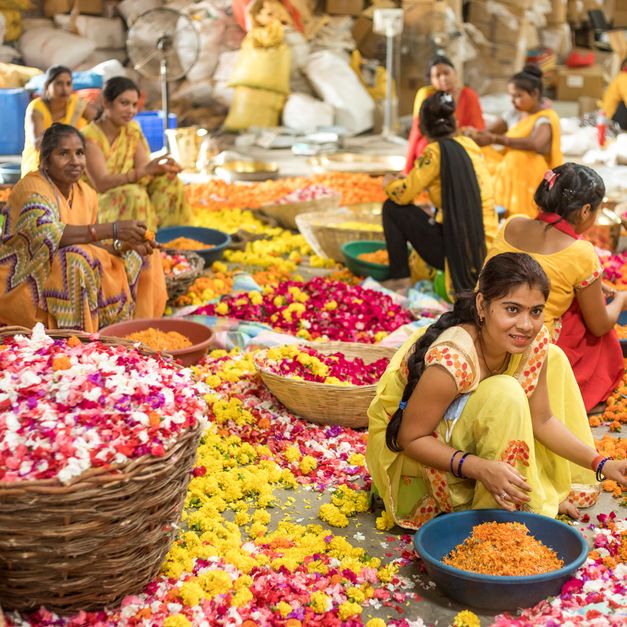
Flowercycling in action: temple flowers collected and sorted for recycling.

Phool (‘flower’ in Hindi) is a fast-growing social enterprise in Kanpur and one of the clearest examples of the Alquity virtuous circle at work. The Foundation backed Phool as a Transforming Lives Award winner in 2019, with a loan to help it grow, and we have followed its journey ever since.

Every day its team of Flowercyclers collects tonnes of flowers discarded by temples and recycles them into charcoal-free incense, keeping waste out of India’s rivers. The workforce, mostly women from disadvantaged backgrounds, has grown from 220 to more than 400 in under two years, with around 95% sales growth expected in 2025 and a first year of EBITDA profitability in sight. Phool now runs 14 units across Uttar Pradesh and Bihar, and fielded 75,000 Diwali gift-box orders in a single season.

Its next chapter is Fleather, a leather alternative grown from flower waste through solid-state fermentation. Having solved the tensile-strength challenge, Phool can now produce sheets up to four feet square and is sending

Phool is also part of how we invest. For four years running we have sat down with the Flowercycling team for a consumer panel, hearing first-hand how workers see the economy, prices and their children’s prospects. That grassroots view feeds straight into our emerging markets research, the same on-the-ground work we do on every company we hold.
Current Partners

  • R.O.L.E. Foundation
    R.O.L.E. Foundation Indonesia
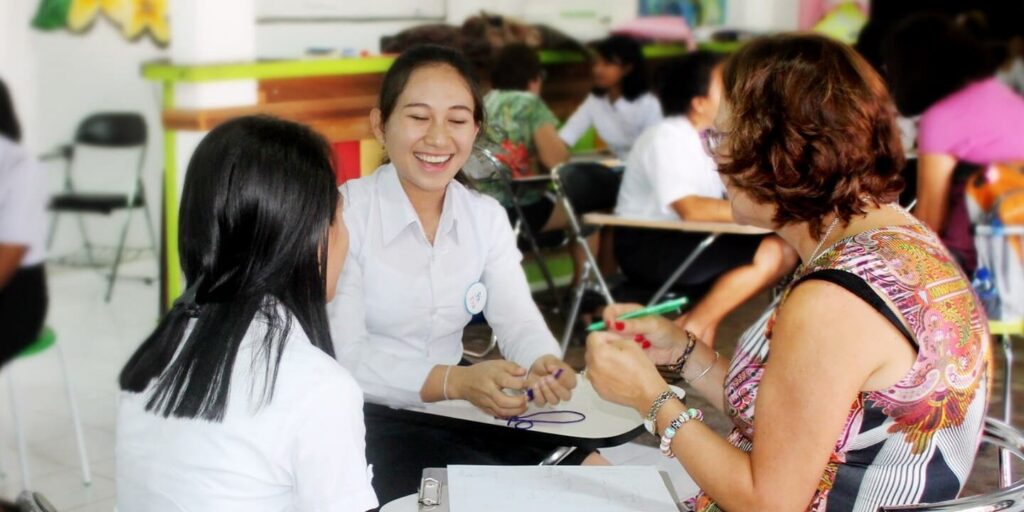
    Co-funded with The Ashmore Foundation. Co-funding vocational training and job placement for marginalised young women, plus the construction of a sustainable bamboo classroom expected to benefit around 1,440 students and 100 young women a year.
  • Aspire Youth
    Aspire Youth South Africa
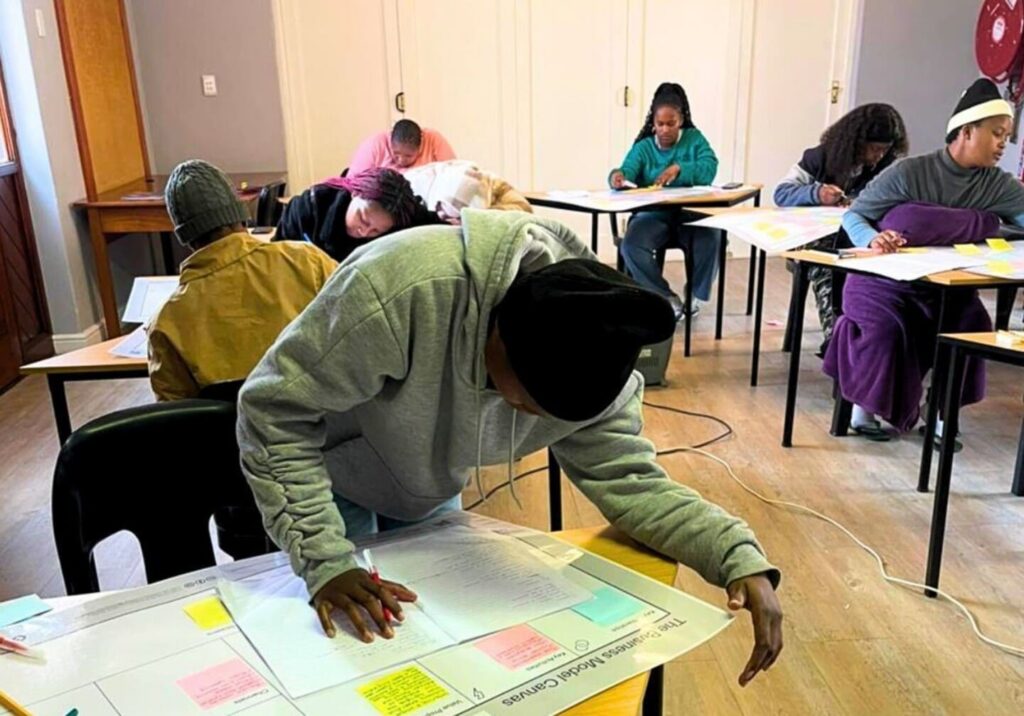
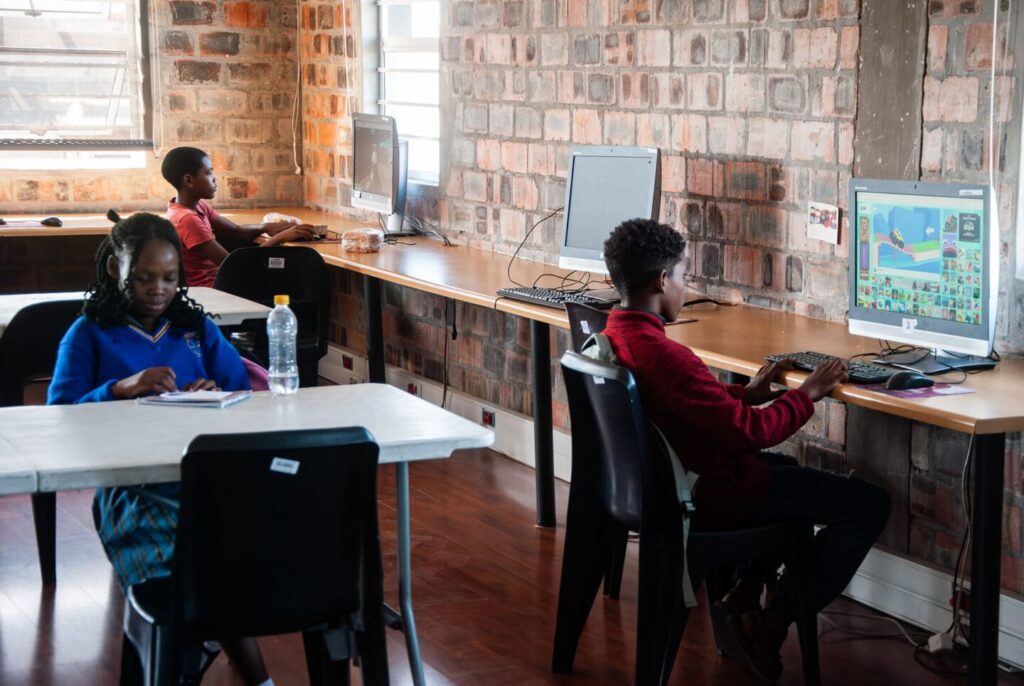
    A 20-month programme for unemployed and out-of-school young people, combining life skills, mental health support, entrepreneurship training and employment pathways.
  • Sozo Foundation
    Sozo Foundation South Africa
    A Cape Town skills campus training young people in hospitality, barista craft, beauty and digital literacy, with students gaining real-world exposure and working with industry partners.
  • Mr Price Foundation
    Mr Price Foundation South Africa
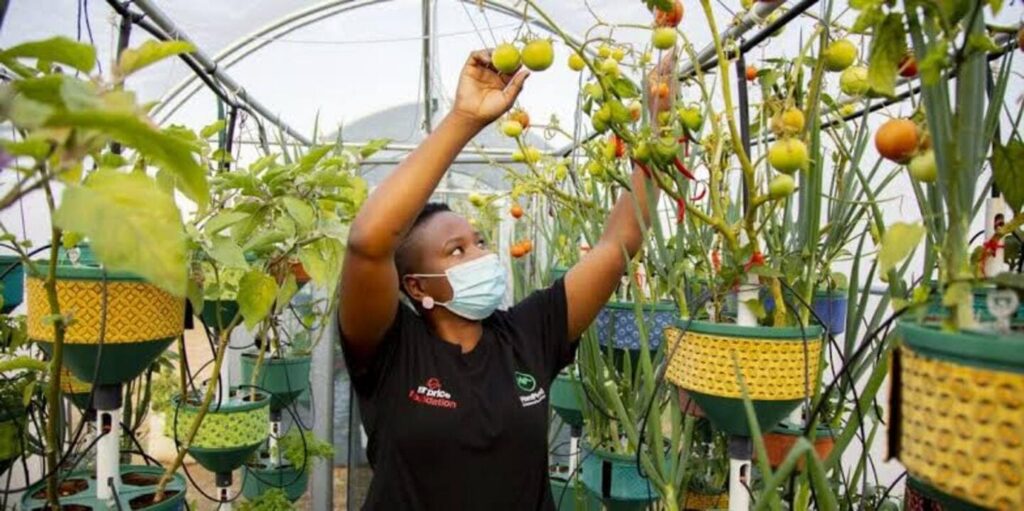
    Co-funded with CHEP. Supporting the HandPicked programme through which young people establish and grow commercial seedling production businesses, connecting them to buyers and building sustainable agricultural livelihoods.
  • Hope House
    Hope House Mauritius
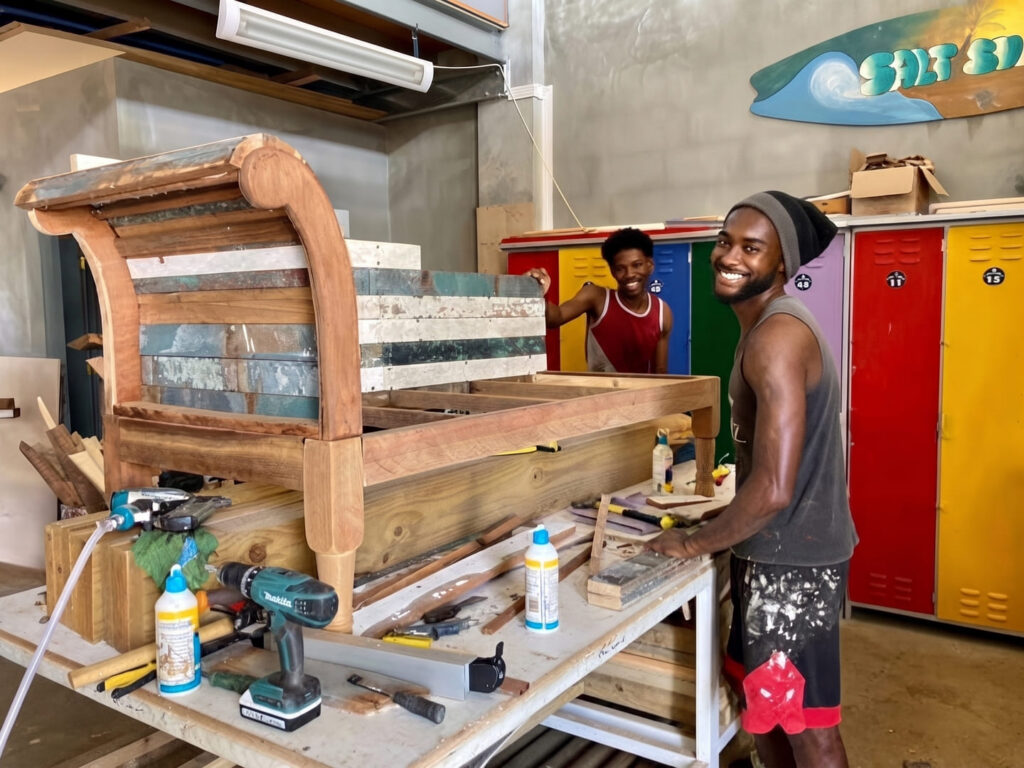
    Supporting a carpentry workshop giving disadvantaged young people practical vocational skills, personal development, employment and community inclusion.

Previous Partners

  • Phool
    Phool India
    A growing social enterprise providing women from marginalised communities with employment - collecting and recycling discarded temple flowers into charcoal-free incense and other innovative products.
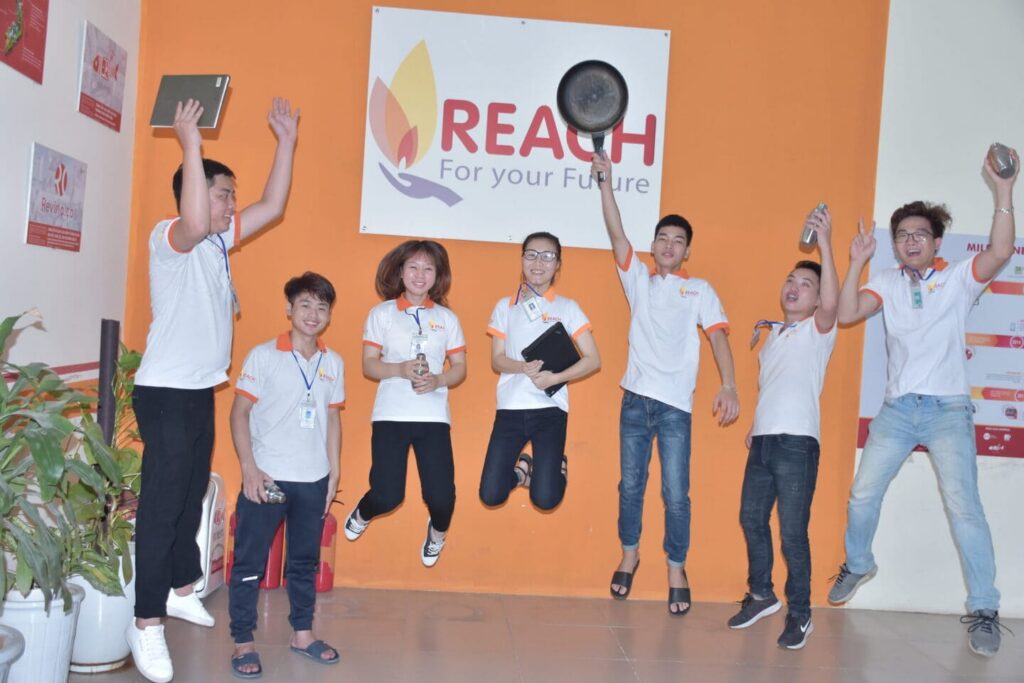
  • REACH
    REACH Vietnam
    Providing vocational training in beauty, web design, hospitality and other sectors to underprivileged young people (over 1,100 trained per year, with more than 80% going on to find jobs at wages above the minimum).
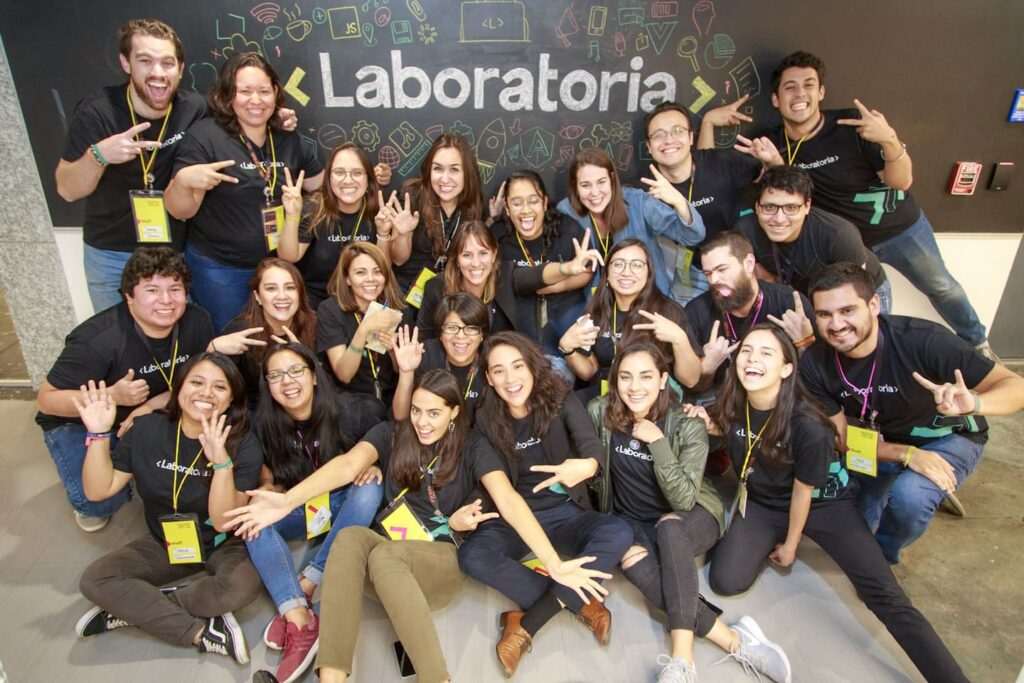
  • Laboratoria
    Laboratoria Latin America
    Training women from disadvantaged backgrounds as software developers and UX designers, then supporting them into tech jobs.
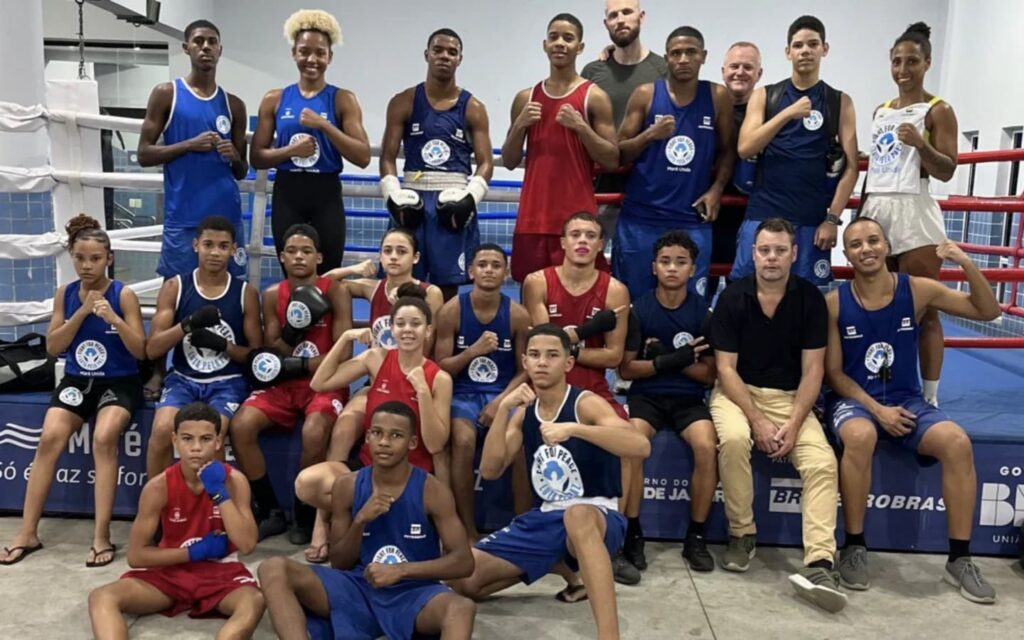
  • Luta Pela Paz
    Luta Pela Paz Rio de Janeiro, Brazil
    Using boxing, martial arts and personal development to unlock the potential of young people in Maré, one of Rio's most disadvantaged favelas, with employability, psycho-social support and access to opportunities at the heart of the programme.
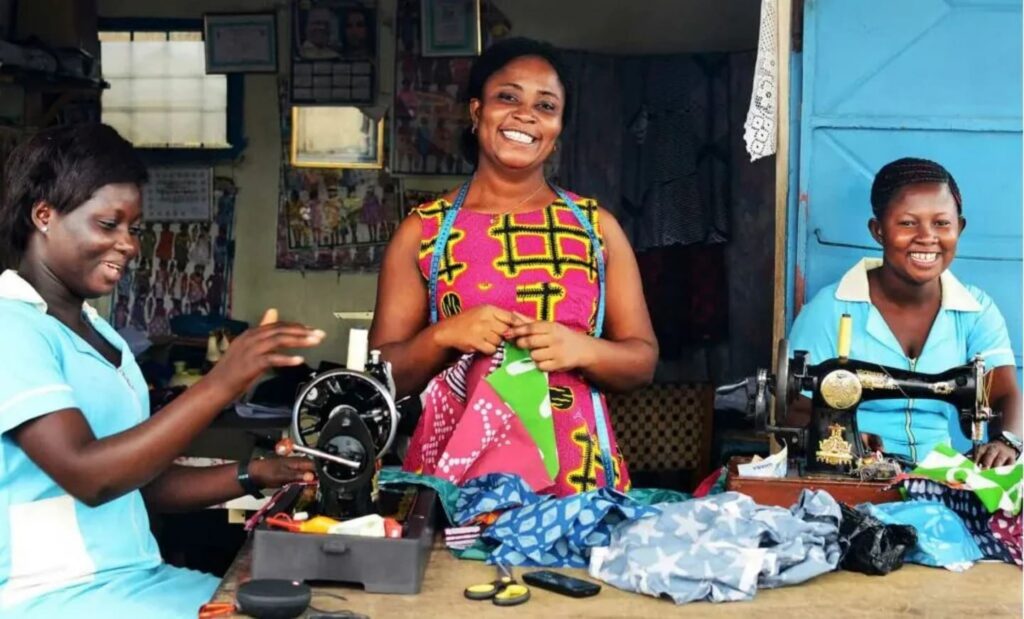
  • Global Mamas
    Global Mamas Ghana
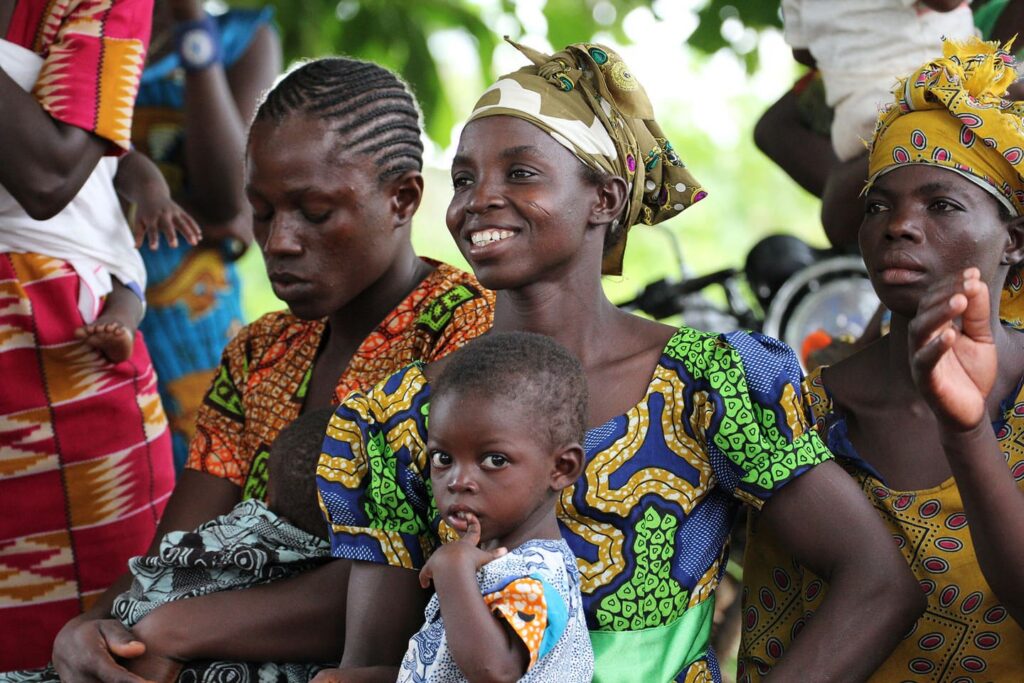
    Helping women in Ghana build financial independence by creating and selling high-quality handmade products using traditional methods; with producers making on average 75% above the minimum wage.
  • Gjenge Makers
    Gjenge Makers Kenya
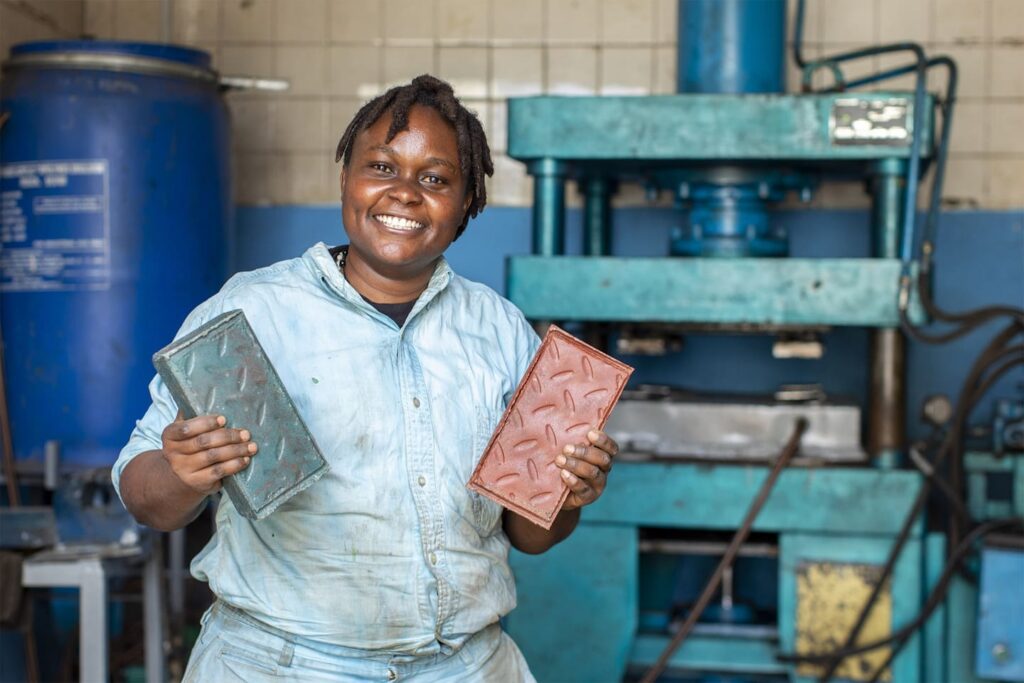
    Turning discarded plastic into durable construction bricks, employing people from marginalised communities as plastic pickers and creating jobs where few other opportunities exist.
  • Plastics For Change
    Plastics For Change India
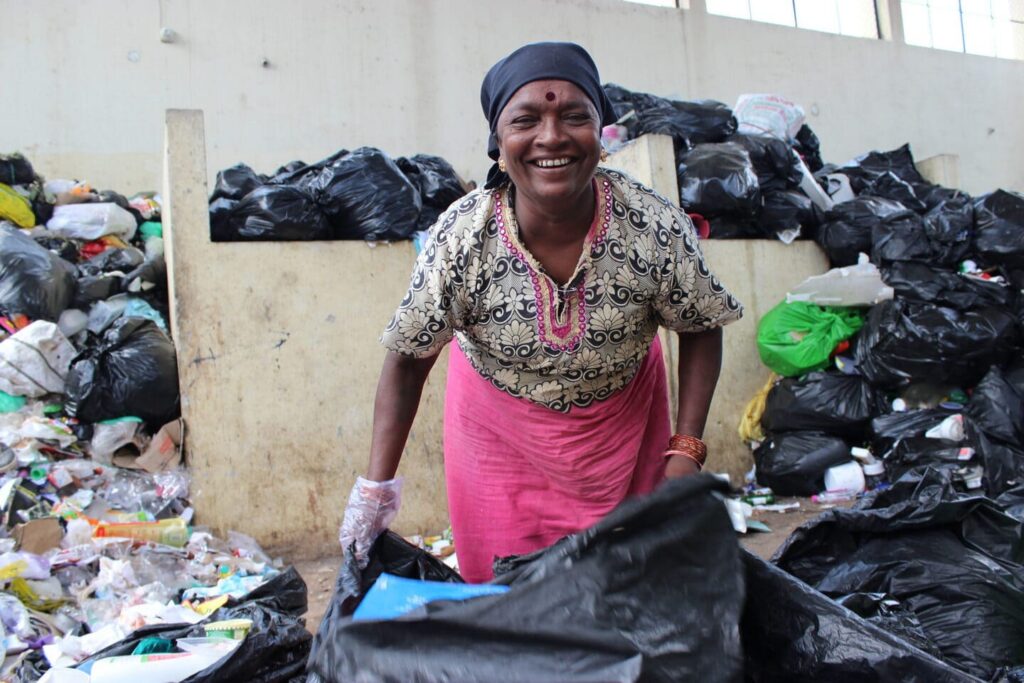
    A fair-trade verified social enterprise in India that connects informal waste pickers to global brands through a tech platform and franchise infrastructure - bringing transparency, fair pay and dignified livelihoods to one of the most exploited workforces in the urban economy.
  • Educate!
    Educate! Uganda
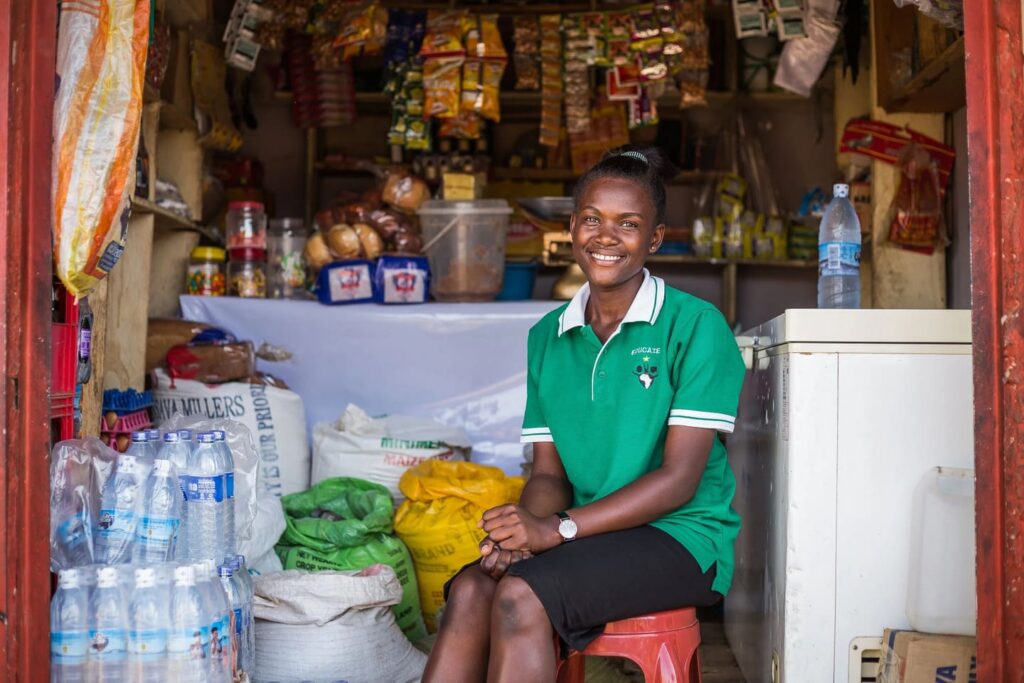
    Partnering with schools and governments to reform what and how African students are taught so they leave school with the skills to start businesses and get jobs. Participants earn nearly double the income of their peers and are 50% more likely to be employed.
  • AfriKids
    AfriKids Ghana
    Working in northern Ghana to keep children safe, in school and out of poverty through family livelihoods loans, youth skills training and community health support, with a particular focus on women and girls.
  • Amantani
    Amantani Peru
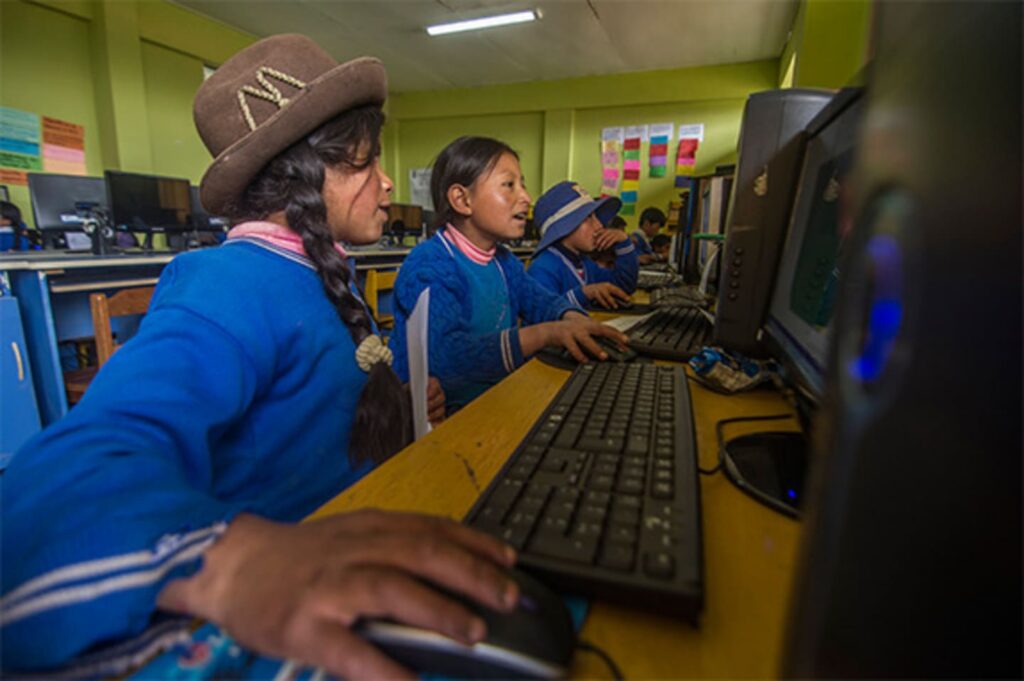
    Defending the rights of indigenous Quechua children and young people in the Peruvian Andes through education, employment support and an ICT Academy giving rural youth access to the digital skills needed in a fast-changing economy.
  • Shivia
    Shivia India
    Giving women living in extreme poverty in West Bengal the tools and training to build small agricultural enterprises from home - including poultry toolkits, ongoing field support and financial guidance that can add up to 20% to a household's annual income.
  • Hand in Hand
    Hand in Hand India and Kenya
    Training women living in poverty to set up businesses and create jobs, alongside an eco-entrepreneurship programme building climate resilience alongside income generation.

Contact the Foundation

For questions about the Alquity Transforming Lives Foundation or its work, contact David Crook, Foundation Lead.